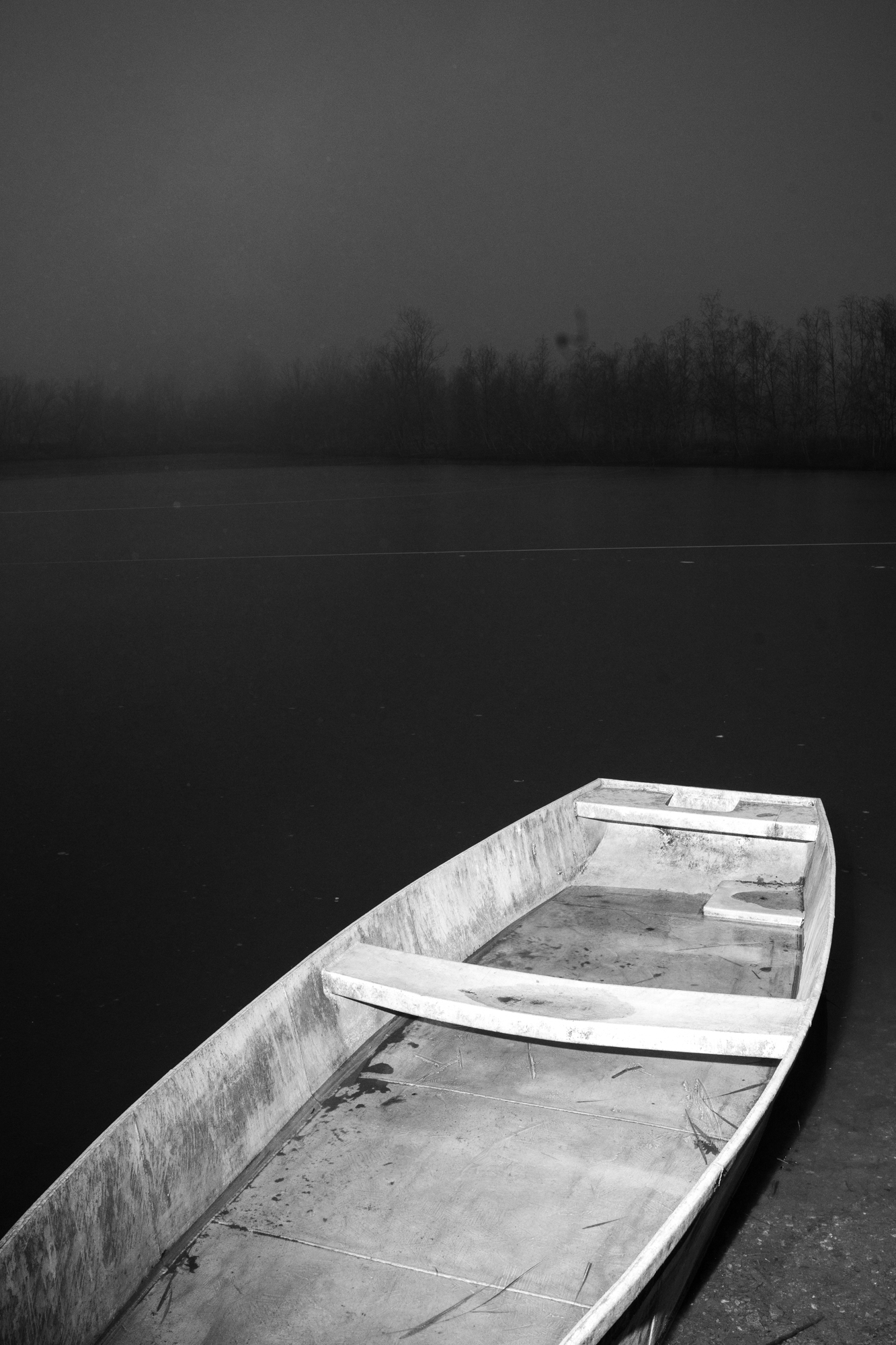
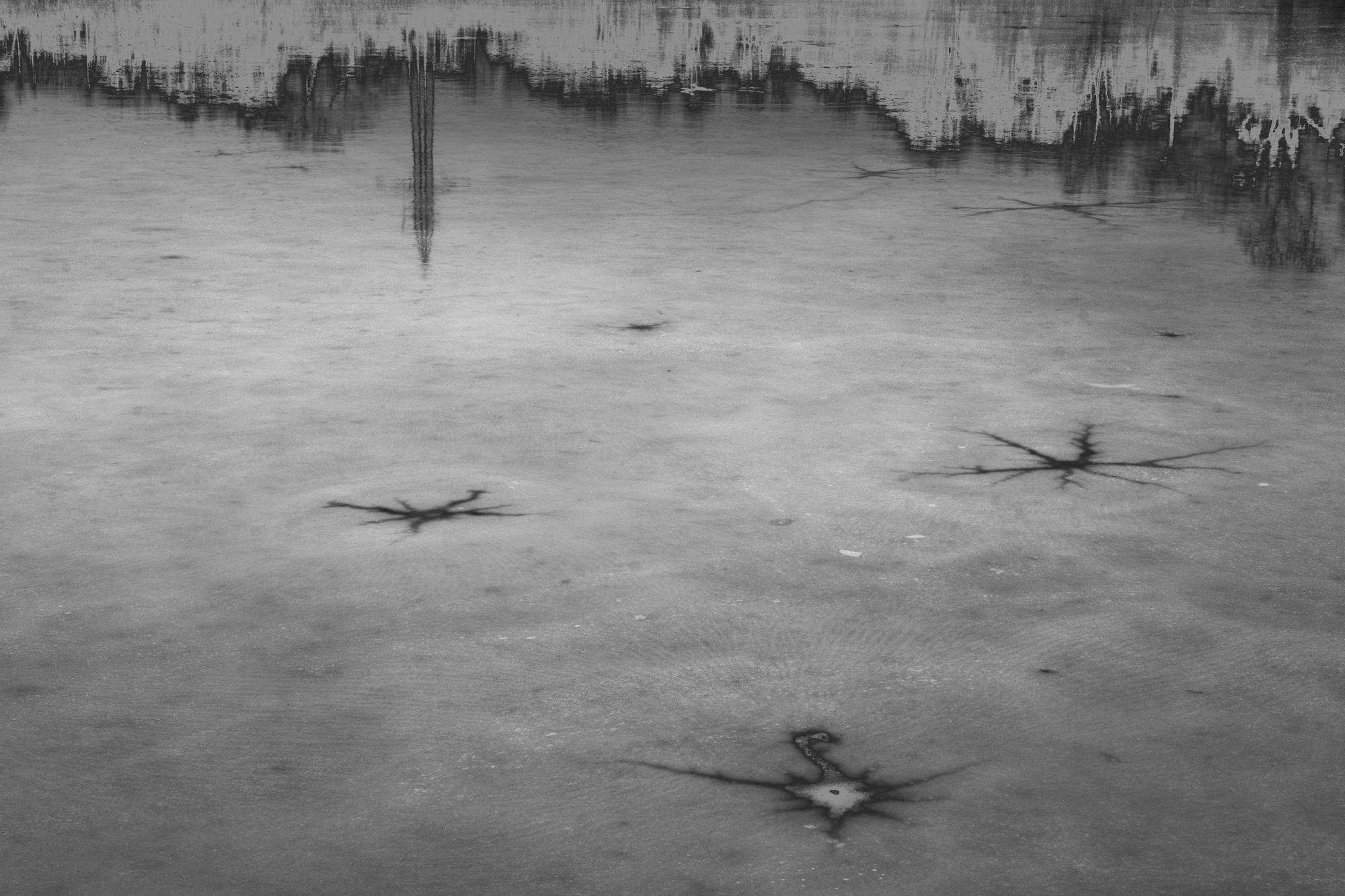
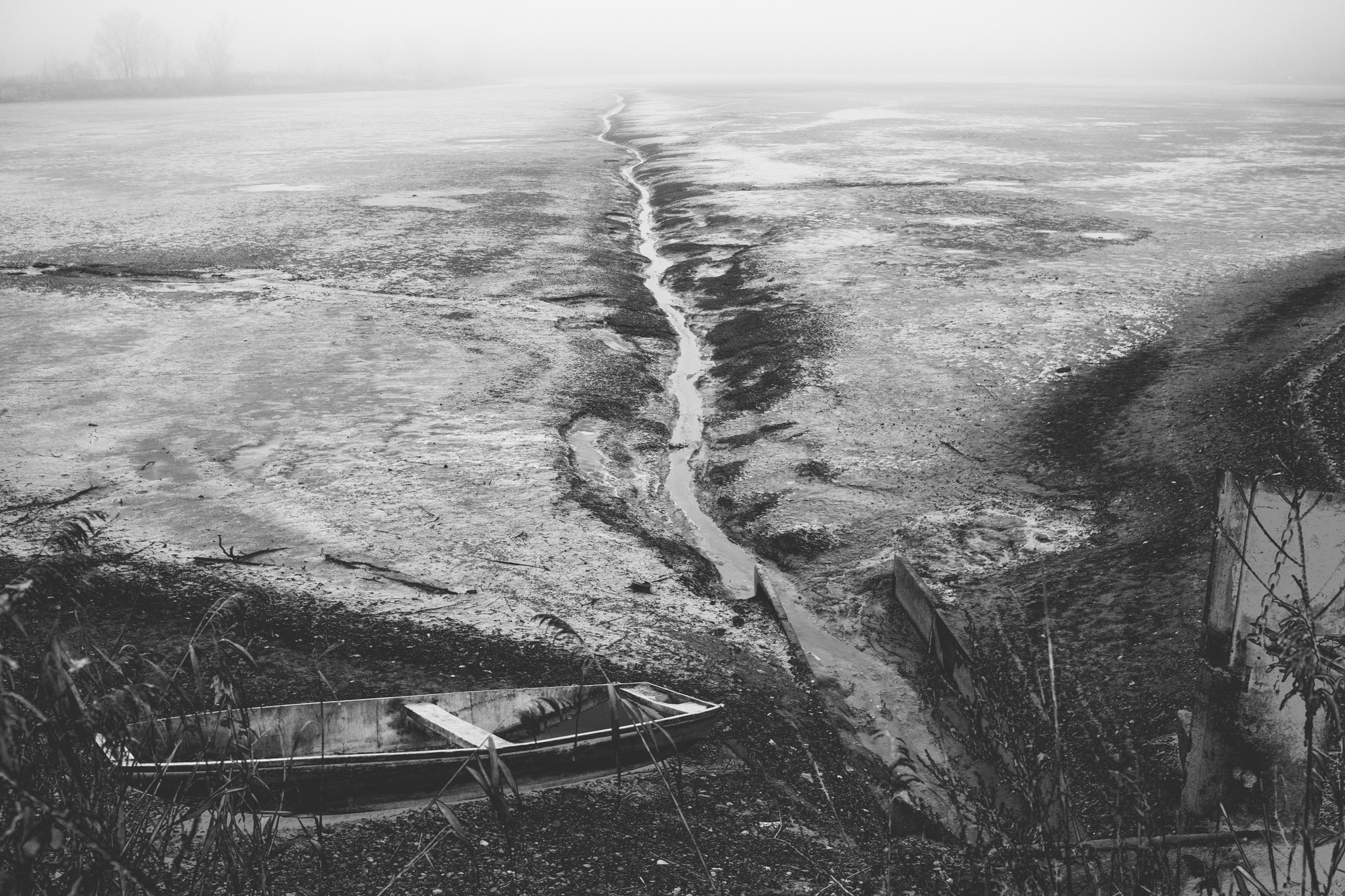
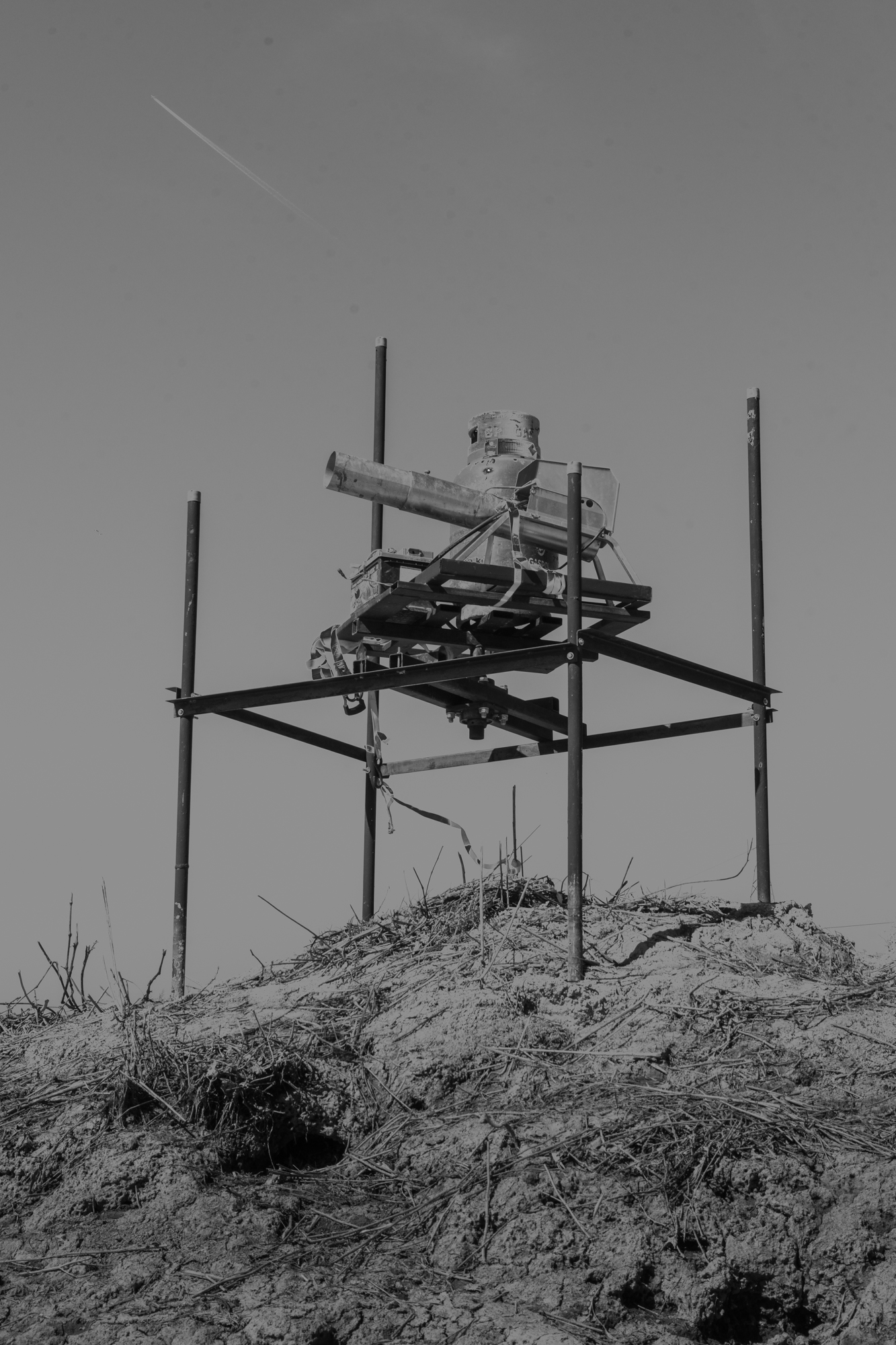
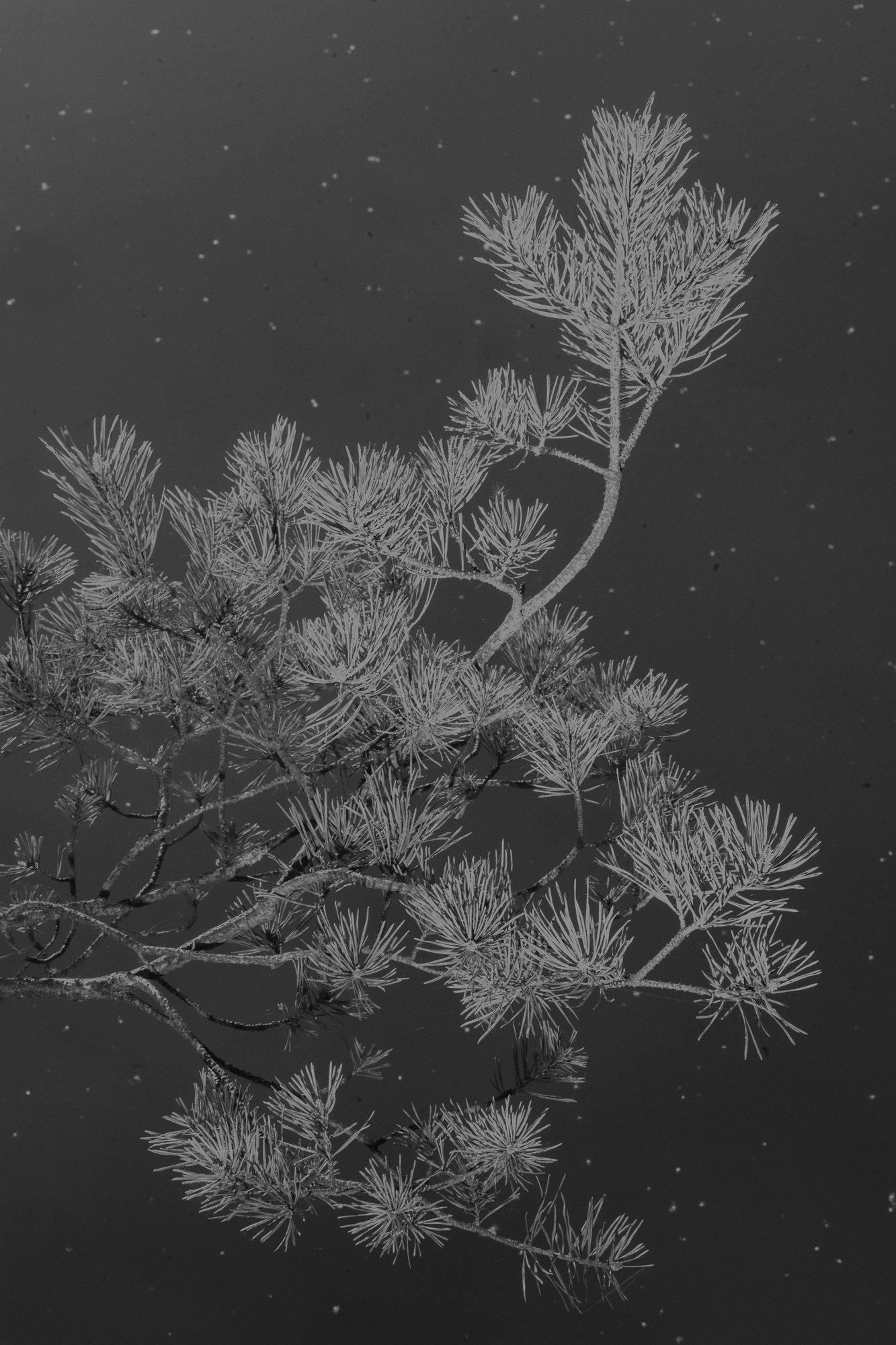

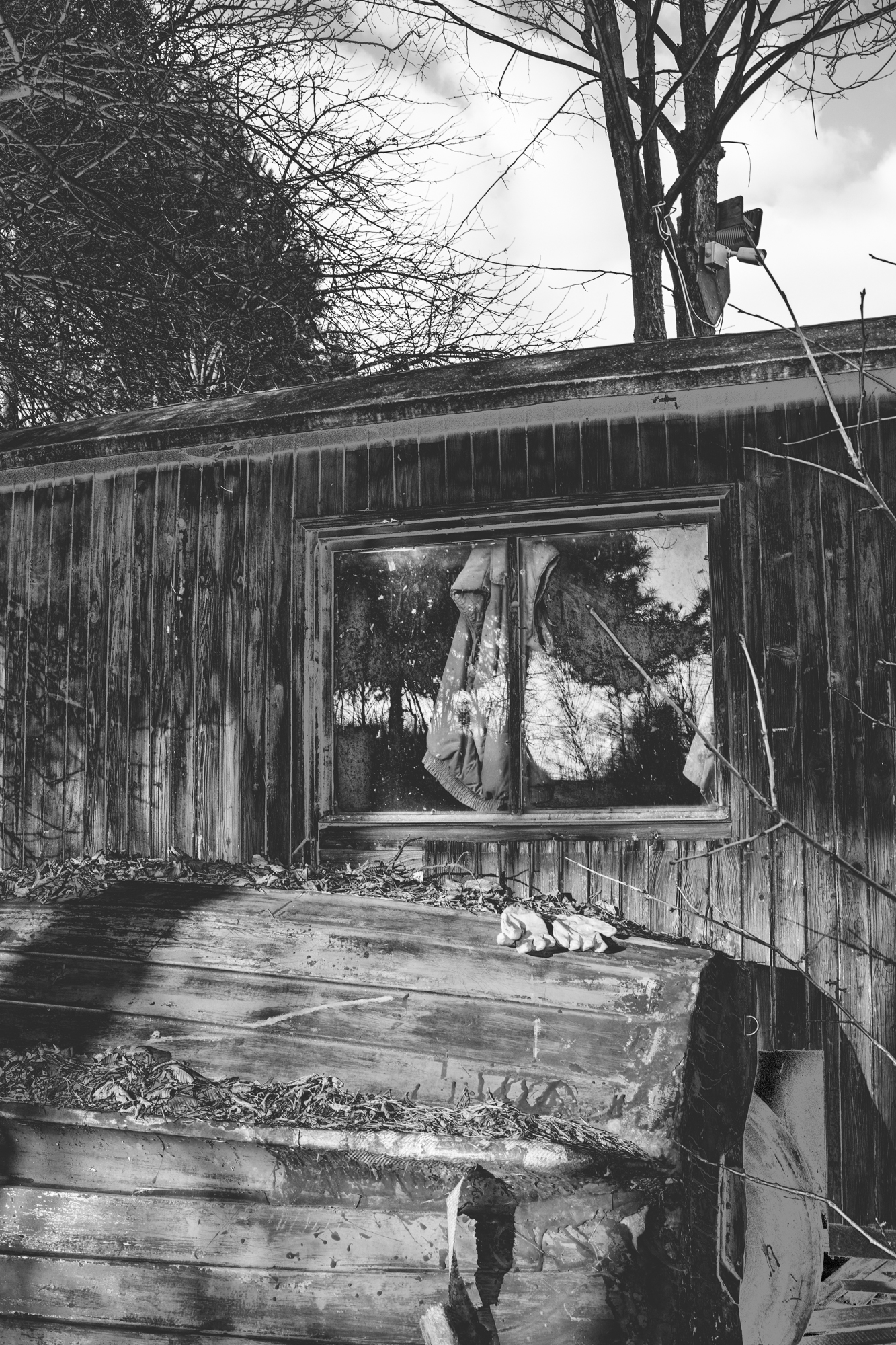
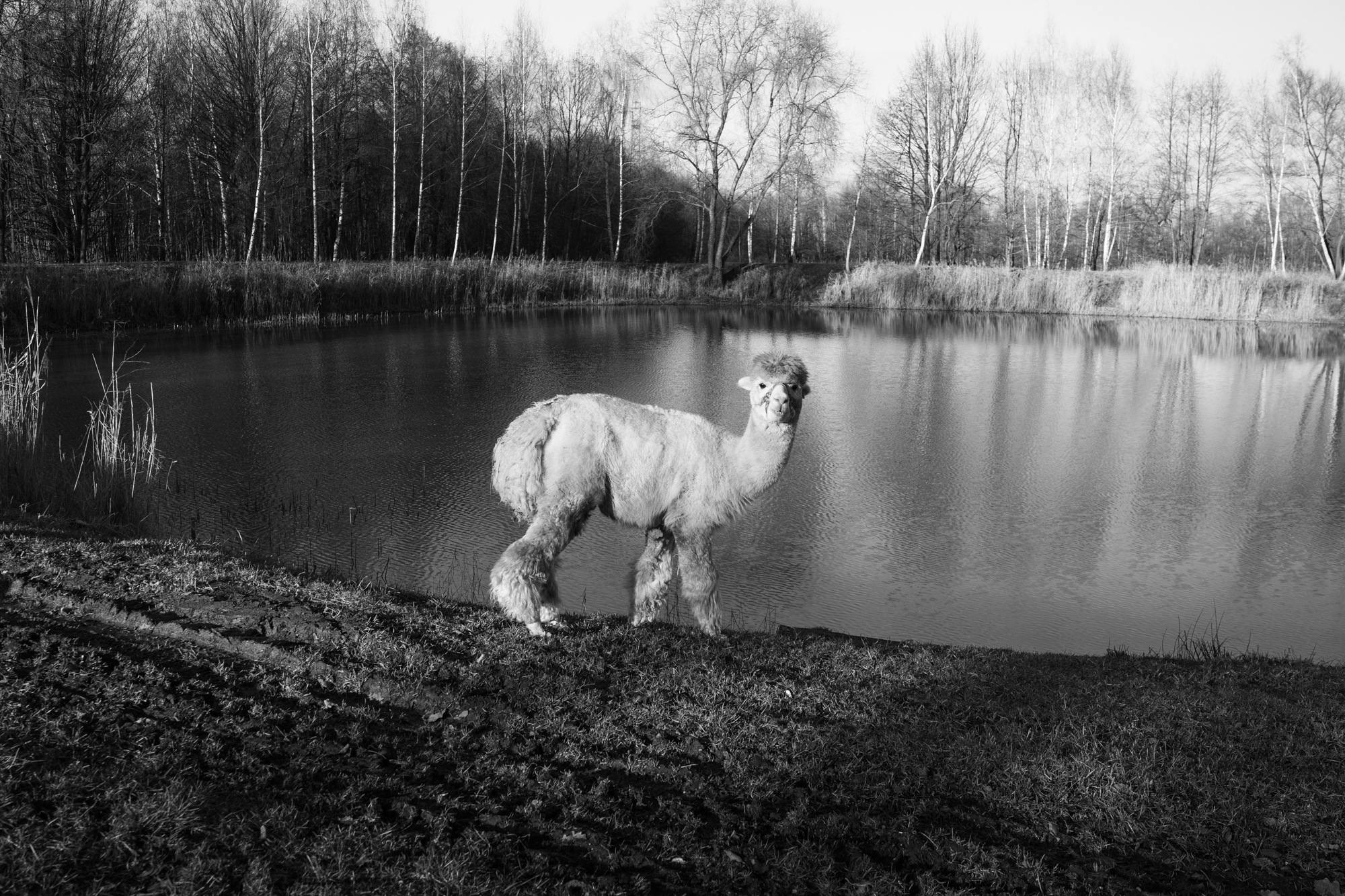
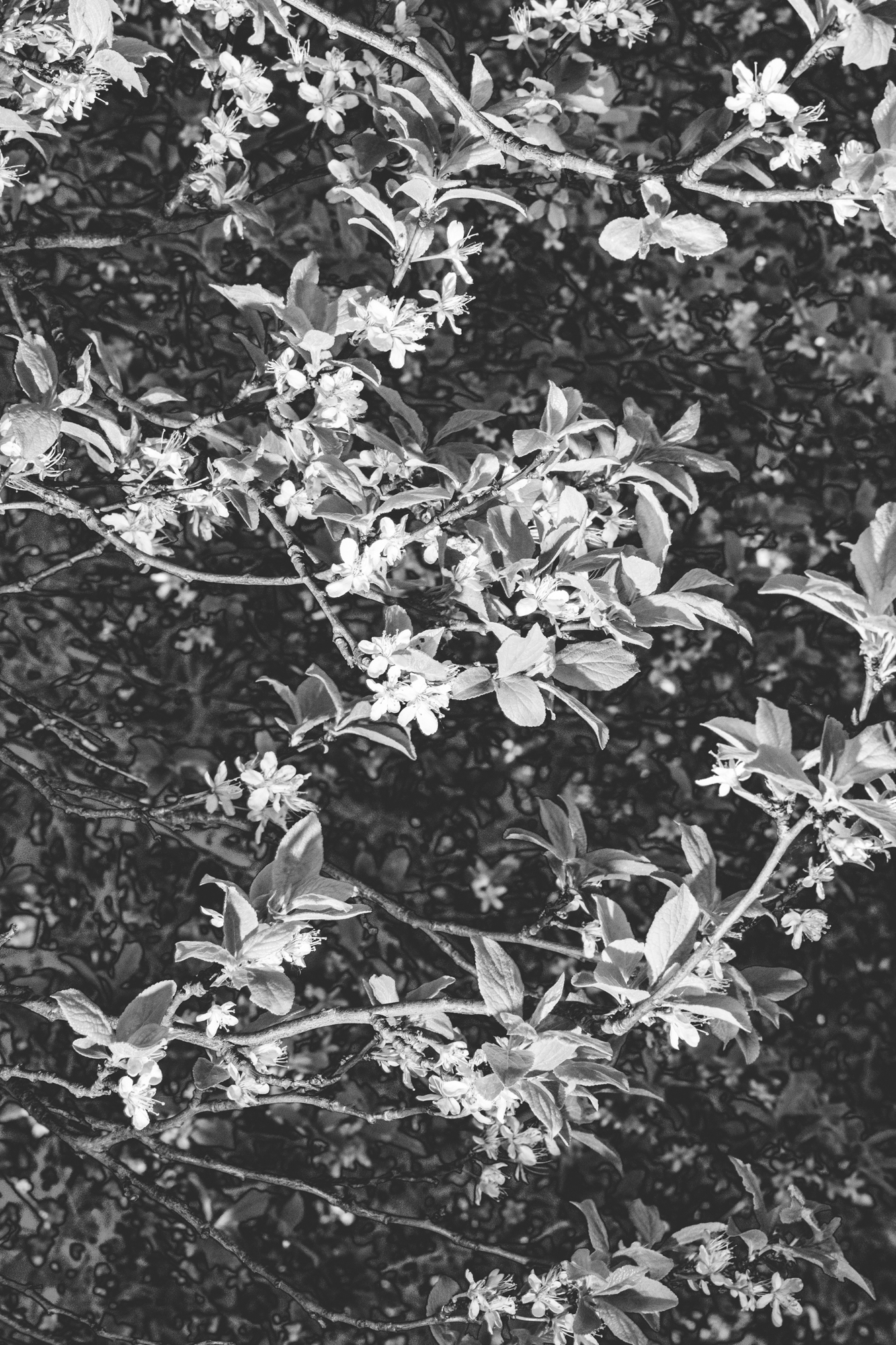
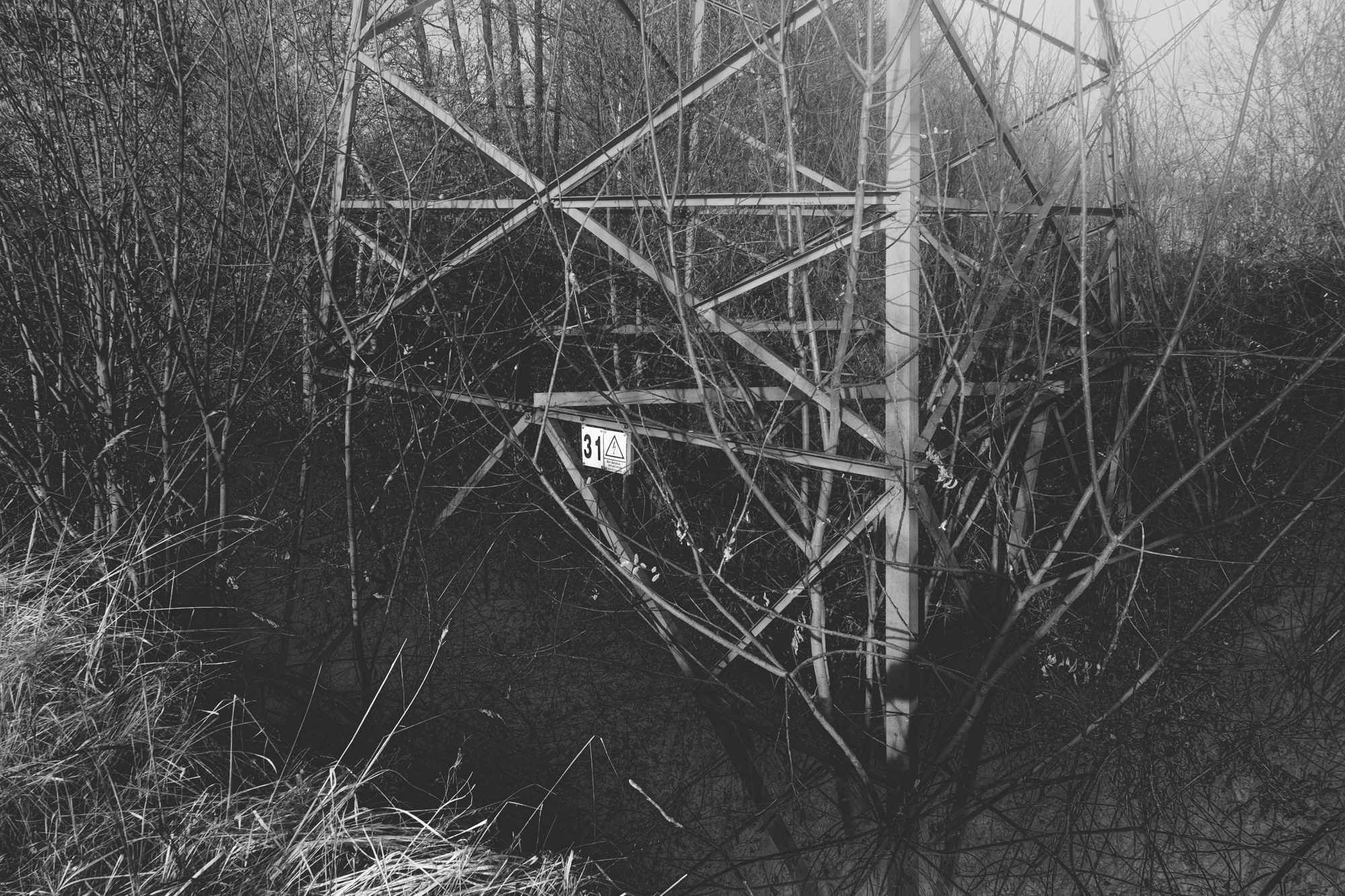
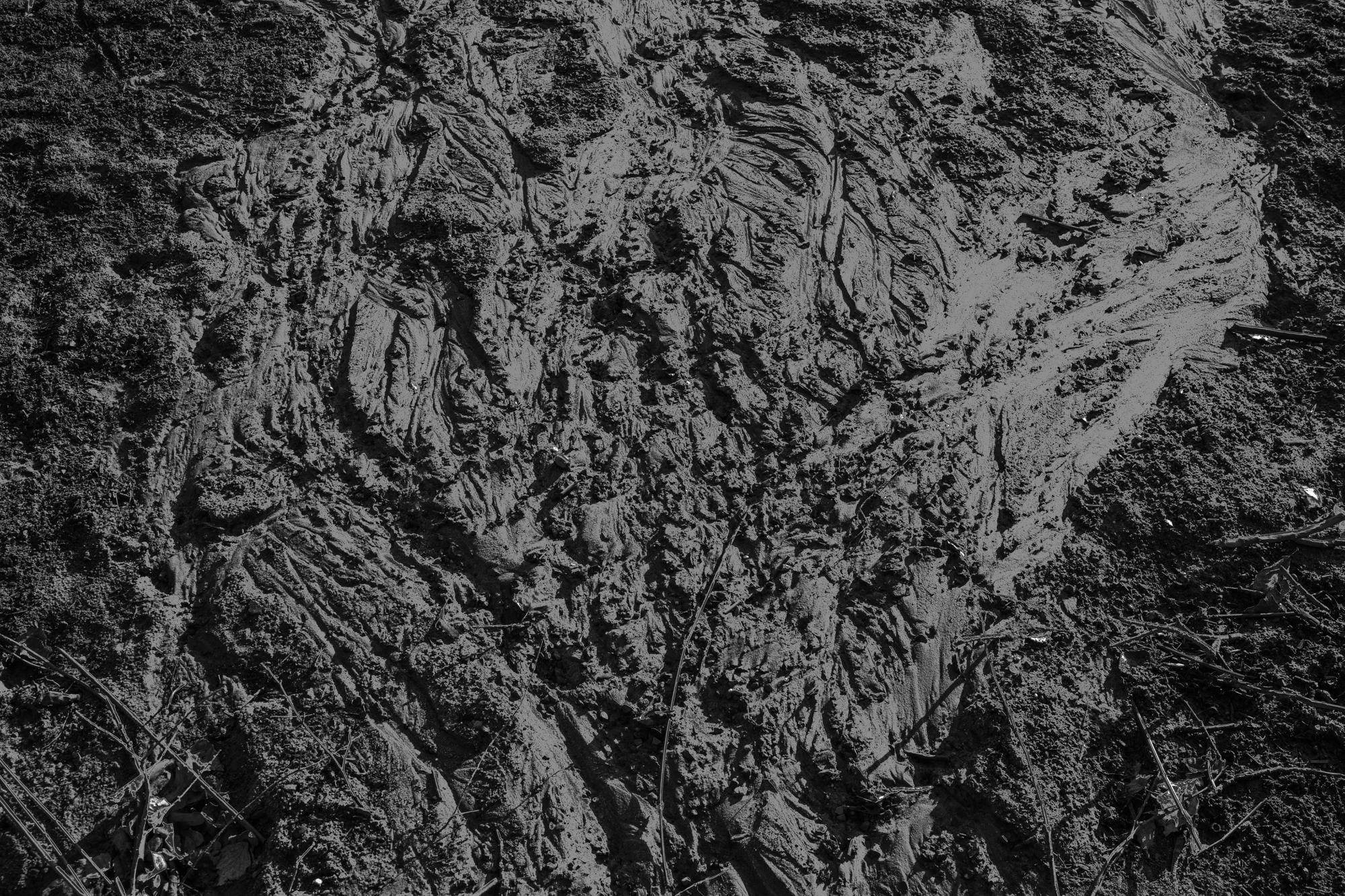

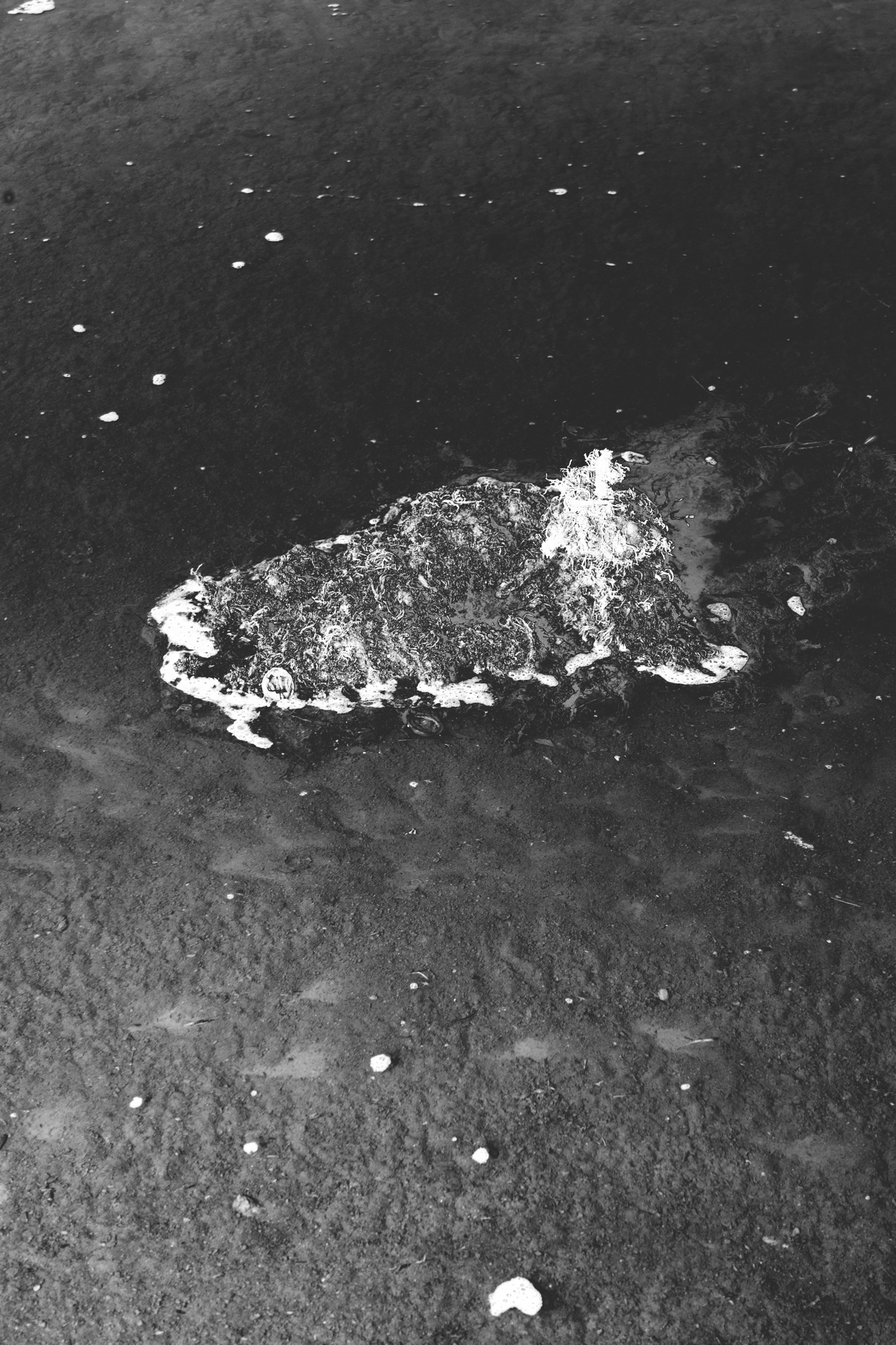
The author grew up near the ponds - artificial reservoirs carved out by human hands, which over time became seamlessly integrated into the landscape. For most of his life, he paid them no mind, taking them for granted. And yet he clearly remembers his grandmother’s voice warning him: You mustn’t go there. Something troubled her, as if there were more to that water than just the reflection of the sky, old nets, or dead fish floating on the surface.
His grandmother’s discomfort carried real weight. Things felt on a grand scale - the fear of collapse or losing a familiar world - often reveal themselves in the smallest intuitions and a deep distrust of places where artificial order is imposed. Fish ponds are a form of violence that pretends to be neutral - created by damming the flow and taking control. We build such mechanisms endlessly, pushing their consequences away from sight, as if distancing were enough to make the discomfort vanish.
Until the moment, as Timothy Morton might suggest, when we are forced to accept the strangeness of the world - acknowledging that not everything can be organised or contained. Ponds become a surface on which what usually remains hidden is revealed as a subtle disturbance. In this story, the devil is not a character, but a way of understanding - a language through which we attempt to grasp what lies beyond us. It is in this crack, where control breaks down, that something comes into view: a strangeness that cannot be dispelled.